How Light Bulbs Work
Light bulbs are ranked by their power -- the amount of light they put out in a certain period of time (measured in watts). Higher-watt bulbs have a bigger filament, so they produce more light.
How Do Light Bulbs Work? Types, Uses, & FAQ
Light bulbs are used in a variety of applications, including home lighting, car headlights, traffic signals, and street lights. They come in a range of shapes and sizes, with wattages that range from just 4 watts to over 1,000 watts.
Light bulb
Light bulbs convert electricity into light and heat. Except for heat lamps, the heat is considered waste. A light bulb that produces more light and less heat is more efficient. The incandescent light bulb turns electricity into light by sending the dump t
Uses of light bulbs and their structure, Types of the bases ...
Light bulbs play an important role in modern life, providing artificial illumination that enhances productivity, safety, and comfort. Since their invention, they have revolutionized how we live and work, making it possible to extend activities beyond dayl
How Light Bulbs Work
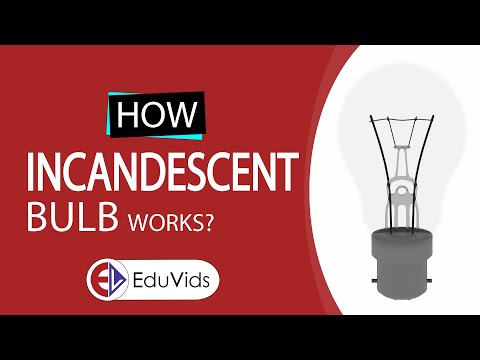
The production of visible light via thermal radiation is exploited in incandescent light bulbs. In these bulbs a tungsten filament inside them is heated to a temperature of about 2500 degrees Celsius, using an electric current.
Science Of Light Bulbs
These different kinds of bulbs work on different mechanisms where the wastage of energy as heat energy is less and a more significant part of electrical energy is converted into light energy.